

X chromosome inactivation (XCI) balances sex chromosome dosage by randomly silencing one X-chromosome in each cell in the early embryo. Which chromosome is silenced is then clonally inherited through all subsequent cell divisions. This leaves each female mammal with a stable mosaic of cells expressing either the maternal or paternal X haplotype. This variability is propagated from early development and persists into adulthood. In this work, we discuss how this variability can be decoded across both individuals and cells to reveal developmental history and regulatory impacts. At the population level, the distribution of XCI skew across individuals reflects the number of cells present at the time of inactivation: more cells at that moment means less variance in the ratio among adults. By fitting models to population-scale XCI distributions across thousands of individuals and ten mammalian species, we show that embryonic cell counts at the time of lineage specification can be estimated from the variance itself, treating noise as the signal rather than the background. At the cellular level, the same mosaic structure allows us to perform within-individual comparisons that are unavailable through conventional approaches. Inferring X haplotype identity in single cells allows direct comparison of cells carrying different haplotypes within the same individual, holding genetic background and environment constant. This reveals structured patterns of regulatory variation that between-individual comparisons cannot resolve. Together, these research themes position XCI as a lens on both developmental history and regulatory variation, with the distribution of a stochastic mark across cells serving as a quantitative record of early decisions that cannot be directly observed.
Dr. Gillis is an expert in integrated neurophysiology at the Donnelly Centre in the University of Toronto. His lab focuses on characterizing the flow of information from cellular gene networks to whole organism phenotypes across species using functional genomics data, focused primarily on the brain.

|
Avoiding death in the gut: pre-adaptation through phase variation |
| Dr. Carolina Tropini, PhD | |
| 11:15 AM - 11:45 AM @ LSC 1 | |
| In the complex ecosystem of the human gut, physical forces profoundly shape the diverse consortium of microbes residing within. Despite advances in characterizing these microbial communities and their connections to health, the fundamental physical responses of this ecosystem remain understudied. Because physical perturbations are a hallmark of intestinal disease, understanding these responses is crucial for describing disease impacts and developing therapeutic interventions. Specifically, several gut diseases such as inflammatory bowel disease, celiac disease, or dietary intolerances alter the gut’s physical environment by increasing intestinal osmolality through malabsorption. In this project we investigate how commensal gut bacteria respond to laxative-induced osmotic stress using both in vitro experiments and gnotobiotic mouse models. We find that in the prominent gut commensal Bacteroides thetaiotaomicron, inversion of phase-variable DNA regions allows bacteria to rapidly adapt to environmental pressures. These inversions regulate a capsular polysaccharide locus as well as a major transcriptional regulator belonging to the CRP (cAMP receptor protein) family. Specifically, while these inversions do not improve growth rate in the perturbed environment, they strongly influence survival: cells that are not in a specific phase-variable configuration rapidly lose viability following osmotic shock, and surviving cells are enriched for a single phase state. Strikingly, this configuration is already dominant in vivo even in the absence of osmotic stress, suggesting that gut populations may be pre-adapted to withstand transient physical perturbations such as osmotic diarrhea. This work highlights the critical role of physical factors in microbial ecology, providing a foundation for the development of microbiota therapies informed by the gut’s physical landscape. |

|
The Silent Genomes Project : Construction of and Indigenous governance over an Indigenous genetic variation reference database |
| Dr. Wyeth Wasserman, PhD | |
| 11:45 AM - 12:15 PM @ LSC 1 | |
| Rare disease diagnosis has been transformed by whole genome sequencing, but not equitably. Critical to the analysis is comparison to the background frequencies of genetic variants to focus on rare variants. Indigenous peoples in Canada and globally can faced delayed or blocked diagnosis due to the absence of adequate reference data. The lack of reference data can be attributed to a long history of abuses in Canada and globally. Modern approaches to genetics research focus on Indigenous Data Sovereignty, informed by the United Nations Declaration on the Rights of Indigenous Peoples, the concept of DNA on Loan, the calls of the Truth and Reconciliation Commission, and the OCAP and CARE principles. An Indigenous governance model was established for a reference genetic variation database over 7 years, shaped by discussions with Indigenous organizations and participating First Nations. The Indigenous Background Variant Library, released in 2025, emerged from the process and is now available to support rare disease diagnosis across Canada. The presentation will describe guiding principles, development of governance, technical implementation of the Nextflow processing pipelines and database, and the interface for users. Potential future work will be highlighted, including supporting other Indigenous reference genetics projects in Canada and globally. |

|
Deep learning inference of universal dormancy pseudotime reveals the cellular targets of anti-cancer therapies |
| Dr. Adi Steif, PhD | |
| 11:15 AM - 11:45 AM @ LSC 2 | |
| Controlled exit from and re-entry into the cell cycle is essential for multi-cellular life, while aberrant quiescent and senescent cell states have been implicated in age-related diseases and cancer treatment evasion. Recent molecular and imaging studies suggest non-cycling cellular states exist along a continuum of deepening dormancy, whereby the probability of cell cycle re-entry decreases with distance from the restriction point. We trained a probabilistic deep-learning model that enables mapping of heterogeneous single cell transcriptomic datasets into an interpretable latent space that encodes a common "dormancy pseudotime". We demonstrate that our model enables robust inference of active cell cycle states, and validate in diverse biological contexts that the inferred location along dormancy pseudotime represents a continuum from quiescence to durably arrested states. Applying dormancy pseudotime inference to pre- and post-treatment time points from patients undergoing anti-cancer treatment, we uncover new insights into the distinct tumour cell dormancy states targeted by immune checkpoint inhibitors and platinum-taxane chemotherapy. Given the ubiquity of single cell transcriptomics, we anticipate that dormancy pseudotime analysis will be widely applied to shed new light on the complex interplay between cycling and non-cycling cellular states in health and disease. |

|
Multiomics Data Integration: Benchmarking, Method Development, and Clinical Applications |
| Dr. Amrit Singh, PhD | |
| 11:45 AM - 12:15 PM @ LSC 2 | |
| Biomedical studies increasingly generate molecular, cellular, and clinical data from the same samples, creating new opportunities for disease prediction and biological discovery. In this talk, I will present our work across benchmarking, method development, and clinical application in multimodal data integration. I will introduce MESSI, a reproducible Nextflow-based benchmarking framework that standardizes preprocessing, supports interoperable R and Python workflows, and uses leakage-free nested cross-validation for rigorous model evaluation. I will also highlight DIABLO for biomarker discovery, caretMultimodal for late integration, and applications in neonatal studies, heart transplant rejection, heart failure, BCG vaccination, and single-cell multiomics. Together, these examples show how robust benchmarking and interpretable integration methods can help translate complex multimodal data into meaningful biological and clinical insights. |

|
From grape to glass: multi-omics reveals terpenoid biosynthesis |
| Dr. Simone Castellarin, PhD | |
| 11:15 AM - 11:45 AM @ LSC 3 | |
| Terpenoids are key determinants of grape and wine aroma, yet the molecular bases of their accumulation in grapes remain largely unknown. We applied a multi-omics approach integrating genomics, transcriptomics, and metabolomics to dissect terpenoid biosynthesis across seven grapevine cultivars. Substantial variation in both free and glycosylated terpenoids distinguished high- and low-aroma cultivars. While copy number variation in terpene synthase (TPS) genes was observed, it did not explain differences in terpene accumulation. Instead, developmental regulation and cultivar-specific expression of TPS genes, particularly during ripening, emerged as primary drivers. Network analyses revealed complex relationships between transcripts and metabolites, highlighting limitations of correlation-based inference in this system. Functional characterization of selected TPS genes confirmed their roles in producing key aroma compounds that impact grape and wine aroma. Overall, our results indicate that terpenoid diversity in grapevine is shaped by an expanded and partially redundant TPS gene family under strong developmental and cultivar-dependent regulation. |

|
Navigating Brobdingnag - questions we are asking in light of giant genomes |
| Dr. Tom Booker, PhD | |
| 11:45 AM - 12:15 PM @ LSC 3 | |
| If we want to understand the processes that shape biodiversity we need to understand the processes that shape genome evolution. Conifers represent an extremely interesting example of genome evolution. Conifer genomes are enormous, with typical haploid genome sizes >10Gbp, but tend to be highly conserved over time. Studying these massive genomes has helped us develop ideas about evolutionary biology in conifers, that also apply in other taxa. In this talk I’ll outline hypotheses that our group has developed by studying the massive genomes of conifers. |

|
Sunflower (Helianthus annuus) pangenome interrogates disease and drought resistance for crop innovation |
| Esme Padgett (Padgett, E; Todesco, M) | |
| Pangenome, non-human, plant genomics, crop breeding |
|
|
Single-cell transcriptomic analysis predicts endothelial cell subsets that communicate with immune cells via the PD-1 and TIGIT pathways in non-small cell lung cancer |
| Cathy Yan (Yan, C; Wu, FTH; Naso,J; Trinh, D; Bailey, M; Jin, D; Laskin, J; Ho, C; Marra, MA) | |
| non-small cell lung cancer, endothelial cells, single-cell RNA-seq, immunotherapy |
|
|
Expanding the gene editing toolkit to decipher endogenous causal variants in the genome |
| Asfar Lathif Salaudeen (Salaudeen AL, Shyiak T, Mateyko N, de Boer CG) | |
| Genome engineering, CRISPR, regulatory regions, Mutagenesis, Variant effects |
|
|
SPECIES-SPECIFIC ANTIMICROBIAL ACTIVITY PREDICTION WITH BIOLOGICAL LARGE LANGUAGE MODEL-BASED METHODS |
| Berke Ucar (Ucar, B; Coombe, L; Warren, RL; Birol, I; PeptAid Consortium) | |
| Machine Learning, AMP, LLM |
|
|
Pathology Report Representation Learning for Patient Outcome Prediction |
| Ali Khajegili Mirabadi (Khajegili Mirabadi, A; Fallahpour, G.; Arab, A; Farahani, H.; Bashashati, A.) | |
| AI, Pathology, Cancer Risk Estimation, Large Language Models, Vision Language Models |
|
|
Interpretable CVAE Reference Mapping Reveals Malignant Hepatocyte Subtypes in HCC Across Studies |
| Selina Sun (Sun, S; Steif, A) | |
| Cancer, AI, single-cell, Liver Cancer, Computational Biology |
|
|
Single, additive or interactive: Dissecting gene-environment contributions to genome-wide DNA methylation at birth |
| Erick Navarro-Delgado (Navarro-Delgado, EI; Konwar, C; Merrill, SM; MacIsaac, JL; Liang, X; Zhao, Q; Mozhui, K; LeWinn, KZ; Bush, NR; CANDLE study team; Kobor, MS; Korthauer K.) | |
| Epigenetics, gene-environment interaction, exposome, early life, human |
|
|
Interrogating Single-Nucleus RNA-seq Data to Chart Reproducible Regulatory Patterns: Insights from Cell-Type and Condition-Specific Coexpression in the Human Brain |
| Nairuz Elazzabi (Nairuz Elazzabi; Paul Pavlidis) | |
| Cell type specificity, Transcription factor coexpression, Gene regulatory networks, Cross-dataset reproducibility, Alzheimer's disease |
|
|
Improving Epigenetic Age Estimation by Combining Epigenetic Clocks |
| Denitsa Vasileva (Vasileva, D; Greenwood, CMT; Daley, D) | |
| epigenetics, DNA methylation, aging |
|
|
Phylogenetic clustering analysis shows diverse transmission contexts for transgender people living with HIV in British Columbia, Canada |
| Giuli Sucar (Sucar, G; Joy, J; Montaner, J; Toy, J; Sereda, P; Brumme, C) | |
| HIV, Phylogenetics, Transgender |
|
|
Influence of Genetic Variants on Response to Morphine Alternatives in Pediatric Patients: A Systematic Review |
| Laura Simonson (Simonson, LP; Mufti, K; Scott, EN; Loucks, CM) | |
| pharmacogenomics, pain management, pediatrics, opioids |
|
|
REAL-TIME PROSTATE CANCER GLAND GLEASON PATTERN SCORING USING AI-ASSISTED RAMAN MICROSCOPY |
| Hasti Jalali (Jalali, H; Sheng, M; Lough, L; Namekawa, T; Belanger, E; Mannas, M; Hach, F) | |
| Prostate Cancer, AI, Gleason Pattern Scoring |
|
|
Structural and Inflammatory Changes Following ETI Therapy in Cystic Fibrosis |
| Josh Dyce (Dyce, J; Jang, J; Singh, A; Quon B) | |
| Cystic Fibrosis, Inflammatory Endotypes, Computed Tomography, Feature Extraction |
|
|
Enzymatic fragmentation and individualized control pools improve quality of FFPE tumour sequencing |
| Andrew Murtha (Murtha, AJ; Bacon, JVW; Azzam, K; Ng, S; Koudjanian, M; Donnellan, G; Bernales, CQ; Fung, E; Wang, G; Annala, M; Wyatt, AW) | |
| prostate cancer, FFPE, tumour sequencing, optimization |
|
|
Quantitative Tissue Topology as a Biomarker of Prostate Cancer Aggressiveness |
| Willie Wu (Wu, W; Inaba, F; Chen, Z; Carraro, A; MacAulay, C; Pukl, M; Keyes, M; Guillaud, M) | |
| Graph-based modeling, Prostate cancer, Tissue architecture |
|
|
Modeling transcriptional regulation in hormone signalling |
| Hoda Taeb (Taeb, H; Safaeesirat, A; Tekoglu, TE; Lack, N; Emberly, E) | |
| modeling, transcriptional regulation, cancer, enhancer activity |
|
|
Bowel preparation promotes pathogen colonisation and exacerbates inflammation in humanised IBD models |
| Imogen Porter (Porter, I*; Clayton, C*; Deng, B; Ng, K; Pannu, S; Tropini, C) | |
| microbiota, IBD, bowel preparation |
|
|
Characterizing species-specific ecological dynamics and genomic adaptations to osmotic perturbations in the gut |
| Hans Ghezzi (Ghezzi, H; Wolff, R; Jain, A; Ng, KM; Burckhardt, J; Garud, N; Tropini, C) | |
| Microbiome, Perturbations, Adaptation, Growth rate, Mortality |
|
|
AI-Driven Biomarker Identification for Bevacizumab Treatment in High-Grade Serous Ovarian Cancer using Whole Slide Images |
| Mayur Mallya (Mallya, M; Grube, M; Farahani, H; Anglesio, M; Kommoss, S; Bashashati, A) | |
| AI, ovarian cancer, treatment guidance |
|
|
Peptide Clinical Trial Annotation and Outcome Prediction |
| Emily Zhang (Zhang, E; Birol, L; Yanai, A; Salehi, A; Ucar, B; Demirsoy, E; Caglayan, I; Alev, M; Deniz, M; Birol, I) | |
| Machine Learning, AI, LLMs, Clinical Trials, Peptide Therapeutics |
|
|
A transformer-based foundational model for the vaginal microbiome |
| Dollina Dodani (Dodani, D; Blanco, N; Aboofazeli M; Pradhan T; Talhouk, A) | |
| Vaginal microbiome, Foundational models, Self-supervised learning, Transformers |
|
|
Enhancing Nanopore Assembly Quality at the Basecalling and Polishing Stages |
| Parham Kazemi (Kazemi, P; Birol, I) | |
| nanopore sequencing, genome assembly, basecalling |
|
|
Multimodal Prediction of Clinical Outcomes in Patients with Hypertrophic Cardiomyopathy |
| Raam Sivakumar (Sivakumar, R; Laksman, Z; Singh, Amrit) | |
| Deep Learning, Machine Learning, Medical Imaging |
| 1 | Identification of DNA sequence motifs enriched in regulatory regions of genes escaping X-chromosome inactivation |
| Aditi Srinivasan (Srinivasan, A) | |
| X-Chromosome, Sequential Analysis, Computational Biology, Machine Learning |
| 2 | Inference-time enhanced sampling of diffusion models with Metadynamics |
| Alireza Omidi (Omidi, A; Syed, S; Gsponer, J) | |
| diffusion models, Metadynamics, enhanced sampling |
| 3 | Mapping metabolic networks in a full-scale anaerobic digester using stable isotope probing metagenomics |
| Alma Garcia Roche (Garcia Roche, AR; Waring, K; Madill, M; Friedline, SE; Ziels, RM) | |
| microbial ecology, anaerobic digestion, metagenomics, viromics, stable isotope probing |
| 4 | Socioeconomic Determinants and Biological Aging: Exploring the Potential Mediating Role of Environmental Exposures in the Canadian Longitudinal Study on Aging |
| Amanda Kurowski (Kurowski, A; Engelbrecht, HR; Kobor, MS; Stringhini, S) | |
| Socioeconomic conditions, environmental conditions, DNA methylation, epigenetic aging, mediation analysis |
| 5 | A matrix-centered view of mass spectrometry platform innovation for volatilome research |
| Andras Szeitz (Szeitz, A; Sutton, AG; Hallam, SJ) | |
| VOC, SIFT-MS, PTR-MS, Orbitrap-MS, GCxGC-TOF-MS |
| 6 | Defining the landscape of potential AID binding sites after knockdown of KMT2D or ARID1A in Mino cells |
| Andrew Chen (Chen, AY; Uday, P; Hilton, L; Weng, A) | |
| Lymphoma, chromatin accessibility, AID targeting, breakpoints |
| 7 | Benchmarking host DNA depletion and whole-genome amplification strategies for profiling ultra-low biomass microbiomes inhabiting the human respiratory tract |
| Anika Nag (Nag A.; Chen S.Q.; McLaughlin R.J.; Noonan A.J.C.; Capron R.; Bartolomeu C.; Borden S.A.; Myers R.; Lam S.; Hallam S.J) | |
| Lung Cancer, Microbiome, Metagenomics, WGS, Amplicon Sequencing, Microbial Biomarkers |
| 8 | The Neighbourhood Matters: Spatial Single-Cell Profiling of Follicular Lymphoma |
| Anne-Sophie Fratzscher (Fratzscher, AS; Lee, E; Wu, S; Scott, DW; Steidl, C; Roth, A) | |
| cancer, follicular lymphoma, single cell spatial transcriptomics, tumour microenvironment |
| 9 | Clonal hematopoiesis after 177Lu-PSMA-617 radioligand therapy in prostate cancer |
| Asli Munzur (Munzur, AD; Herberts, C; Kwan, EM; Emmett, L; Sandhu, S; Buteau, JP; Iravani, A; Joshua, AM; Francis, RJ; Lee, ST; Scott, AM; Martin, AJ; Stockler, MR; Zhang, AY; Williams, SG; Bernales, CQ; Donnellan, G; Koudjanian, M; Parekh, K; Bacon, JVW; Karsan, A; Azad, AA; Davis, ID; Hofman, MS; Wyatt, AW) | |
| prostate cancer, clonal hematopoiesis, clinical trial, translational research, genomics |
| 10 | Cell-type specific genetic-to-epigenetic relationships in the human breast |
| Axel Hauduc (Hauduc, A; Steif, J; Bilenky, M; Moksa, M; Cao, Q; Eaves, C; Hirst, M) | |
| Genetics epigenetic breast variation QTL |
| 11 | GeneExpert: A Foundation Model for Gene Expression Understanding |
| Behnam Maneshgar (Maneshgar, B; Zhang, T; Farahani, H; Bashashati, A) | |
| AI, Foundation Model, Gene Expression |
| 12 | Elevated endogenous retroviral expression in severe COVID-19 patients correlates with innate immune activation markers |
| Bessie Wang (Wang, B; Deckers, T; Liu, E; Tokuyama, M) | |
| Endogenous Retrovirus, COVID-19, RNAseq, scRNAseq |
| 13 | Evaluating AI for Summarizing Variant Interpretation in Precision Oncology: A Benchmark Dataset of Comprehensive Case Reports |
| Caralyn Reisle (Reisle, Caralyn; McConechy, Melissa; Csizmok, Veronika; Wee, Kathleen; Taylor, Greg; Dupuis, John; Grisdale, Cameron J.; Xu, Morgana; Hanos, Melika; Shen, Yaoqing; Chiu, Readman; Tran, Linh; Laskin, Janessa; Marra, Marco A.; Jones, Steven J.M.) | |
| AI, NLP, Cancer, Precision Medicine |
| 14 | Decoding Nosema ceranae and Black Queen Cell Virus (BQCV) Co-Infection in Honeybees through Spatial Multi-Omics |
| Cedar Zhang (Zhang, Y; Alcazar, A; Rogalski, J; Foster, L) | |
| Honeybee, Nosema, Black Queen Cell Virus, Spatial multi-omics, Gut–brain axis |
| 15 | Spatial Transcriptomics Reveals Airway Remodeling and Molecular Targets Across COPD Severity |
| Chen Xi Yang (Yang, C; Rojas-Quintero, J; Gerayeli, FV; Polverino, F; Ng, RT; Malo, J; Sin, DD) | |
| Chronic obstructive pulmonary disease, small airway, spatial transcriptomics |
| 16 | Evaluating Clinical Diagnostic Reasoning Under Real-World Uncertainty |
| Cindy Zhang (Cindy Xiao Yu Zhang, Wyeth W. Wasserman, Jian Zhu) | |
| Clinical decision support, Diagnostic reasoning, Clinical plausibility |
| 17 | Domain-Invariant Feature Learning for Generalizable Gene Expression Prediction from Histology Images |
| Elahe Ranjbari (Ranjbari, E) | |
| AI, Domain Generalization, Gene Expression Prediction, Spatial Transcriptomics |
| 18 | MiClone: A Probabilistic Method for Inferring Cell Phylogenies from Mitochondrial Variants |
| Emilia Hurtado (Hurtado, E; Roth, A) | |
| Phylogenetics, Cancer, Mitochondria |
| 19 | Peptide Clinical Trial Annotation and Outcome Prediction |
| Emily Zhang (Zhang, E; Birul, U; Birol, I) | |
| Machine Learning, AI, LLMs, Clinical Trials, Peptide Therapeutics |
| 20 | Advancing Precision Psychiatry in Schizophrenia through the Identification of Individualized Brain Network Dysfunctions |
| Erica Zeng (Zeng, E; Eickhoff, S; Shahki, J; Woodward, T) | |
| Schizophrenia, Functional Magnetic Resonance Imaging, Task-based Brain Networks, Constrained Principal Component Analysis for fMRI; Biomarkers |
| 21 | Exploring the Impact of H2A.Z Depletion on Nascent Transcription Regulation |
| Eully Ao (Ao, E; Brewis, HT; Kobor, MS) | |
| yeast, H2A.Z, nascent transcription, depletion system |
| 22 | Integrated multi-omics approach for the characterization of no specific molecular profile in endometrial carcinoma |
| Farbod Moghaddam (Moghaddam, F; Cochrane, D; McAlpine, J; Hoang, L; Roth, A; Talhouk, A) | |
| Endometrial Carcinoma, Multi-omics Integration, Molecular Subtyping, Similarity Network Fusion, Machine Learning |
| 23 | Investigating the Genomic Contributions to Familial Intracranial Aneurysms in a First Nation from Northern British Columbia |
| Gage Fairlie (Fairlie, GMJ; Anderson, S; Lehman, A; Arbour, L) | |
| Medical Genetics, Linkage Analysis, Intracranial Aneurysms, WGS, SNP Array |
| 24 | An embryonic stem cell simulator that incorporates biological time |
| Harry Cheng (Cheng, HCM; Abou Chakra, M; Bader, G; Shakiba, N) | |
| Cell cycle, simulator, ESC |
| 25 | Human gene regulatory network inference through a custom Peter-Clark algorithm |
| Herbert Yao (Yao, Herbert; Zhang, Jian; Kiyota, Brett; Yachie, Nozomu) | |
| systems biology, causal discovery, high performance computing, gene regulatory network |
| 26 | Modeling transcriptional regulation in hormone signalling |
| Hoda Taeb (Taeb, H; Safaeesirat, A; Tekoglu, TE; Lack, N; Emberly, E) | |
| modeling, transcriptional regulation, cancer, enhancer activity |
| 27 | A Reproducible Framework to Benchmark Single‑Cell Bisulfite Sequencing with Haplotype‑Resolved Simulations |
| Ivana Sanchez Olivares (Sanchez Olivares, I; Birol, I) | |
| Single-cell methylation profiles, haplotype-resolved reads simulation, reproducible benchmarking framework |
| 28 | Chemogenomic profiling of diverse Saccharomyces cerevisiae strains using BarMix: a novel CRISPR-Cas9 marker-less barcoded library |
| Jackson Moore (Moore, J; Barazandeh, M; Nislow, C; Measday, V) | |
| Saccharomyces cerevisiae, yeast, natural variation, genetic barcoding, chemogenomics |
| 29 | Characterization of a GzmB-Driven Fibrotic Signature in Primary Human Dermal Fibroblasts via Consensus Differential Expression and Drug Repurposing Analysis |
| Jeffrey Tang (Jeffrey S. Tang; Alexandre Aubert; Anna Prudova; Karen Jung; Amrit Singh*; David J. Granville*) | |
| transcriptomics, serine protease, perturbation |
| 30 | Scaling up massive parallel reporter assays with bulk quantitative density-based cell sorting |
| JJ Hum (Hum, JJ; de Boer, CG) | |
| genomics, synthetic biology, cell sorting |
| 31 | MSClust: de novo single-cell bi-sulfite clustering |
| Johnathan Wong (Wong, J; Coombe, L; Warren, RL; Birol I) | |
| Methylation, single-cell, bisfulite, de novo, clustering |
| 32 | Expanding the bacteroides synthetic biology toolkit to develop an in vivo intestinal malabsorption biosensor. |
| Juan Camilo Burckhardt Acevedo (Burckhardt, Juan C; McCallum, Giselle; He, Jerry; Hong, Alice; Tropini, Carolina) | |
| Bacterial Biosensors, Synthetic Biology, Transcriptional Circuits, Microbiome Research |
| 33 | A gene centric analysis of denitrification in the oxygen limited Northeastern Subarctic Pacific |
| Julia Anstett (Anstett, J; Mclaughlin, R; Morgan-Lang, C; Plominsky, AM; Kiesser, A; Chang, T; Pachiadaki, MG; Gavelis, GS; Macartney, K; La Clair, JJ; Weinheimer, A; Brown, JM; Burkart, MD; Ulloa, O; Baltar, F; Juergens, K; Nunoura, T; Sintes, E; Herndl, G; Stepanauskas, R; and Hallam, SJ) | |
| Oxygen Minimum Zones, Metagenomics, Single-Cell Genomics, Gene-centric Phylogenetics |
| 34 | Expanding Strategies for Bacterial Nanocellulose Production from Organic Wastes |
| Julia Desbiens (Desbiens, JC; Lewicki, E; Joshi, J.) | |
| non-human, synthetic biology, biomaterials, sustainability |
| 35 | Improving Monitoring of Environmental Effects of Fish Net Pens by Meiofauna Metabarcoding |
| Julia Price (Price, J; Hauser, L; Nel, R; Dias, J; Dickey, J; Schmidt, D) | |
| non-human, conservation, metabarcoding |
| 36 | Exploring therapeutic opportunities in p53abn Endometrial Carcinomas |
| Juliana Sobral de Barros (Sobral de Barros, J; Cochrane, D; Jamieson, A; Senz, J; McAlpine, JN; Huntsman, DG) | |
| endometrial cancer, p53 abnormal, Cyclin E1, targeted therapy |
| 37 | High-Throughput Characterization of the Filamentous Cyanobacterium Sodalinema yuhuli AB48[ |
| Kalen Dofher (Dofher, K; Sukkasam, N; Liu, T; Hallam, SJ) | |
| Cyanobacteria, Bioproducts, Wastewater, High-Throughput, Characterization |
| 38 | Mast cells as biomarkers for capecitabine benefit in triple negative breast cancer |
| Katherine Rich (Rich, K; Shenasa, E; Gao, D; Bashashati, A; Nielsen, T) | |
| breast cancer, AI, biomarkers |
| 39 | Investigating the Complexity of Genomic Epidemiology and Evolution of Tenacibaculum spp. in Wild and Aquaculture Salmon Populations in British Columbia |
| Kaytlyn Tasalloti (Tasalloti K, Deeg C, Mordecai G, Joy J) | |
| infectious disease, fisheries, conservation, genomics |
| 40 | Evaluating the evolutionary and developmental impact of mobile genetic elements in vertebrates |
| Keiran Maskell (Keiran Maskell, Nanami Masuyama, and Nozomu Yachie) | |
| mobile genome, transposable elements, vertebrate biology, evolutionary developmental biology |
| 41 | Hydrogel bead display for large sequence-t0-function datasets in protein engineering |
| Kenyon Alexander (Alexander, K; Mateyko, N; deBoer, C) | |
| ML, protein engineering, microfluidics, emulsion PCR, cell-free protein expression |
| 42 | Statistical variations on metabolomics data quality |
| Kevin Zhang (Yikang, Z; Brian, L; Sangpei J; Tao H) | |
| Statistics, Metabolomics, data quality |
| 43 | Multi-Modal Meta-Analysis of Functional Genomics Data to Identify Regulatory Relationships in the Brain |
| Kevin Zhang (Zhang, K; Pavlidis, P) | |
| meta-analysis, regulation, brain |
| 44 | Characterization of CXCR5-CXCL13 axis in classic Hodgkin lymphoma |
| Makoto Kishida (Kishida, M; Rai, S; Yin, Y; Aoki, T; Steidl, C) | |
| Lymphoma, Tumor microenvironment, humanized mice model |
| 45 | Decoding the Multiomic Signatures of Oral Cancer Progression |
| Maple Lei (Maple Lei, Kelly Yi Ping Liu, Catherine F. Poh, Steven Jones) | |
| Cancer, machine-learning, biomarker, transcription, methylation |
| 46 | Evaluating ctDNA as a tool for tumour genotyping and patient prognostication in metastatic urothelial cancer |
| Maria Stephenson (Stephenson, M; Pham, J; Rostin, K; Ng, SWS; Murtha, A; Bernales, CQ; Donnellan, G; Parekh, K; Bacon, J; Annala, M; Müller, DC; Eigl, BJ; Ozgun G; Black, P; Maurice-Dror, C; Chi, KN; Vandekerkhove, G; Wyatt, AW) | |
| cancer, circulating tumour DNA, biomarkers, prognosis |
| 47 | Hunting for mediation in expression quantitative trait loci: a case-study using ovarian cancer |
| Maxwell Douglas (Douglas, JM; Park, YJ) | |
| Statistical Genetics, Ovarian Cancer, Causal Inference, Mediation |
| 48 | Genetic Variation in TRMT9B, RORA, and ALDH1A2 Predicts the Development of Painful Chemotherapy-Induced Toxicities in Children with Cancer |
| Mia Simmons (Simmons, ME; Scott, EN; Ernest-Hoar, G; Carleton, BC; Rassekh, SR; Ross, CJD; Loucks CM) | |
| Pharmacogenomics, Pain management, Caenorhabditis elegans |
| 49 | Single-Cell RNA Sequencing (scRNA-seq) Of Asthmatic Individuals Exposed To Traffic-Related Air Pollution And An Inhaled Corticosteroid |
| Michael Yoon (Yoon, M; Ryu, MH; Zhao, A; Lau, K; Yuen, A; Rider, CF; Singh, A; Carlsten, C) | |
| air pollution, scRNA-seq, diesel exhaust, exposure, omics |
| 50 | Semantically informed embedding of differential expression contrasts |
| Moritz Aubermann (Aubermann M; Pavlidis, P) | |
| Deep Learning, Differential expression, Transcriptomics |
| 51 | Multimodal Single-Cell Analysis Reveals Immune-Driven Tumor Remodeling in 4T1 TNBC models |
| Naila Adam (Adam, N; Sepulveda, L; O’Flanagan, C; Paez-Ribes, M; Gonzalez-Solares, E; Mulvey, C; Vázquez-García, I; Roth, A; Shah, SP; Aparicio, S; Bressen, D; Hannon, GJ) | |
| 52 | Transformer-Based Foundation Modelling for DNA Methylation with Genomic Context and Distance-Aware Learning |
| Nazanin Yousefzadeh (Yousefzadeh Khameneh, N; Kobor, MS) | |
| AI, DNA Methylation, Epigenetic |
| 53 | Enrichment Analysis of Differential Expression Patterns in a Large Corpus |
| Neera Patadia (Patadia, N; Pavlidis, P) | |
| transcriptomics, meta-analysis, data harmonization, condition enrichment |
| 54 | Combinatorial barcoded bead synthesis for scaling pooled gene assembly |
| Nick Mateyko (Mateyko, N; Alexander, K; Plesa, C; de Boer, C) | |
| Gene synthesis, DNA assembly, synthetic biology, barcoded beads, enzyme screening |
| 55 | SPATIAL PROFILING OF THE TUMOR IMMUNE MICROENVIRONMENT IN MUSCLE-INVASIVE BLADDER CANCER TREATED WITH NEOADJUVANT PLATINUM CHEMOTHERAPY |
| Nikolay Alabi (Nikolay Alabi, Nicolas Zheng, Joshua Scurll, Nemat Haroon, Jussi Nikola, Htoo Z Oo, Katy Milne, Brad Nelson, Ali Bashashati, Morgan Roberts, Alberto Contreras-Sanz, Shilpa Gupta, Peter Black) | |
| computational biology, spatial modelling, bladder cancer, biomarker discovery |
| 56 | Exploring Neurodevelopmental Impacts of SETD2 Mutations Through Bulk and Single-Cell Multi-omics |
| Parsa Seyfourian (Seyfourian, P; Yeh, E; Blume, L; Azarafshar, P; Park, Y; Chen, C) | |
| Neurodevelopment, Epigenomics, Multi-omics, Neuroinformatics, and Cerebral Organoids |
| 57 | biolit: An LLM-powered literature screening agent for genomics research |
| Rachel Schwartz (Schwartz, Rachel; Pavlidis, Paul) | |
| AI, agentic, LLM, curation, literature review, MCP, package |
| 58 | Retrospective cell clone isolation using protein barcodes |
| Ren Takimoto (Takimoto, Ren; Pérez Hidalgo, Diego; Mori, Hideto; Yachie, Nozomu) | |
| Retrospective clone isolation, prptide barcoding, heterogeneity |
| 59 | How vaccines shape B cell evolution |
| Rituparna Banerjee (Banerjee, R; Pennell, M; Coombs, D) | |
| B cells, vaccinations, phylogenetic trees, mathematical modelling |
| 60 | A Long-Context, Single-Base-Resolution Large Language Model for Novel Genomic Element Discovery |
| Robin Li (Li, R; Jones, S) | |
| Large language model; DNA language model; unsupervised discovery |
| 61 | Plasma cell-free DNA mapping of TP53, PTEN, and RB1 allelic disruption and association with adverse outcomes in metastatic prostate cancer |
| Ruby Liao (Liao, YJR; Tolmeijer, SH; Wang, CK; Xie, TTY; Roberts, HN; Herberts, C; Ng, SWS; Parekh, K; Kwan, EM; Sandhu, S; Mehra, N; Bergman, AM; Hofman, M; Seymour, L; Annala, M; Chi, KN; Maurice-Dror, C; Wyatt, AW) | |
| prostate cancer, genomics, liquid biopsy |
| 62 | Recovery of a novel lineage of sulfur oxidizing denitrifiers in the Saanich Inlet water column using single-cell scaffold-anchored binning |
| Ryan McLaughlin (McLaughlin, RJ; Kieft, B; Morgan-Lang, C; Anstett, J; Hallam, SJ;) | |
| oxygen minimum zone, denitrification, sulfur oxidation, metagenome-assembled genome, single-cell amplified genome |
| 63 | Building a Computational Pipeline for Cardiovascular Drug Repurposing |
| Samuel Leung (Leung, S; Wang, Y; Singh, A;) | |
| Cardiovascular Disease, Drug Repurposing, Pipeline Development, Systematic Benchmarking |
| 64 | Pan-genomic Analysis Reveals Genomic Plasticity and Adaptation Mechanisms in Puccinia triticina |
| Sean Formby (Formby, S; Kim, SH ; Holmes, J ; Lining, R ; Holden, S ; Brar , GS ; Hallam, SJ ; Fellers, J ; Bakkeren , G) | |
| pangenomics, genome assembly, GWAS, population genomics, agriculture |
| 65 | Computational Analysis and Prediction of Tissue Specific Phosphorylation of Intrinsically Disordered Protein Regions |
| Sofie Hooft Toomey (Hooft Toomey, Sofie; Gsponer, Joerg) | |
| Phosphorylation, Intrinsically Disordered Regions, Proteins, Protein-protein Interactions |
| 66 | Validation of Raman Process Analytics in T-cell Manufacturing Through Biochemical Quantitation of its Macromolecular Components |
| Syd Wong (Wong, S.E.Z.; Sherwood, C.S.; Piret, J.M.) | |
| Biochemical assay, Raman spectroscopy, process analytics, macromolecular quantification |
| 67 | Comprehensive Population Genetic Clustering of Diverse Human Genomes for Ancestry-Informed Reference Panel Development |
| Taghrid Aloraini (Aloraini, T; Rajan-Babu, IS; Warren, RL; Coombe, L; Friedman, JM; Birol, I) | |
| Ancestry, population, reference panel |
| 68 | Associations Between Anthracosis and Molecular Dysregulation of Human Lung Tissue |
| Taysia Nikaido-Landry (Nikaido-Landry, T; Fung, L; Lo, T; Lim, E) | |
| Lung, anthracosis, exposures, spatial transcriptomics |
| 69 | Spatially resolved immune microenvironment of recurrent triple-negative breast cancer |
| Tina Hsu (Hsu, T; Lee, E; Richter, A, Kong E; Llanos, V; Flores, C; Park, Y; Aparicio, S) | |
| Spatial biology, Triple-negative breast cancer, Tumour heterogeneity |
| 70 | Multimodal Integration of Spatial Transcriptomics and Foundation Model–Derived Imaging Features for Acute Cardiac Allograft Rejection |
| Tony Liang (Liang, C. T. ; Singh, A) | |
| Heart transplantation, AI, Multimodal integration, Spatial Transcriptomics, Computational pathology |
| 71 | Enter the Cyanoverse, a database of cyanobacteria and their co-occurring microorganisms at different levels of biological organization |
| Tony Liu (Liu, XT; Hyland, S; Collins, J; Hallam, SJ) | |
| Ecology, Cyanobacteria, Metagenomics, Database, Nextflow |
| 72 | Transcriptomic response to stressful temperatures in a resynthesized polyploid, Brassica napus, and its progenitors, B. oleracea and B. rapa |
| Tonya Severson (Tonya F. Severson, Jeannette Whitton, Jörg Bohlmann, and Keith L. Adams) | |
| polyploidy, abiotic stress, alternative splicing, expression analysis |
| 73 | The Dynamic Changes in The Classical Hodgkin Lymphoma Tumor Microenvironment Using Single Cell Analysis |
| Yifan Yin (Yin,Y;Aoki T; Steidl C) | |
| Cancer, single-cell, tumor microenvironment |
| 74 | Unsupervised Discovery of Spatial Niches via Contrastive Graph Representation Learning in Multi-Sample Spatial Transcriptomics |
| Yiyang Wang (wang, yiyang) | |
| AI, spatial transcriptomics, GNN |

|
Dr. Cameron Herberts, PhD |
| Translational Medicine Scientist @ Natera | |
| Dr. Herberts works closely with global academic and BioPharma collaborators to design, execute, and analyze correlative and ctDNA-guided interventional clinical trials, aiming to define how ctDNA can be incorporated into clinical management paradigms. He completed his BSc in Biophysics (2018) and PhD (2024) at The University of British Columbia. During his doctoral training with Dr. Alexander Wyatt in the Department of Urologic Sciences, he helped develop blood-based circulating tumour DNA (ctDNA) approaches for (epi)genomic biomarker characterization, supporting the integration of this new technology into routine clinical care for metastatic prostate cancer. He is now a Translational Medicine Scientist at Natera focusing on ctDNA clinical evidence generation across genitourinary cancers. |
|
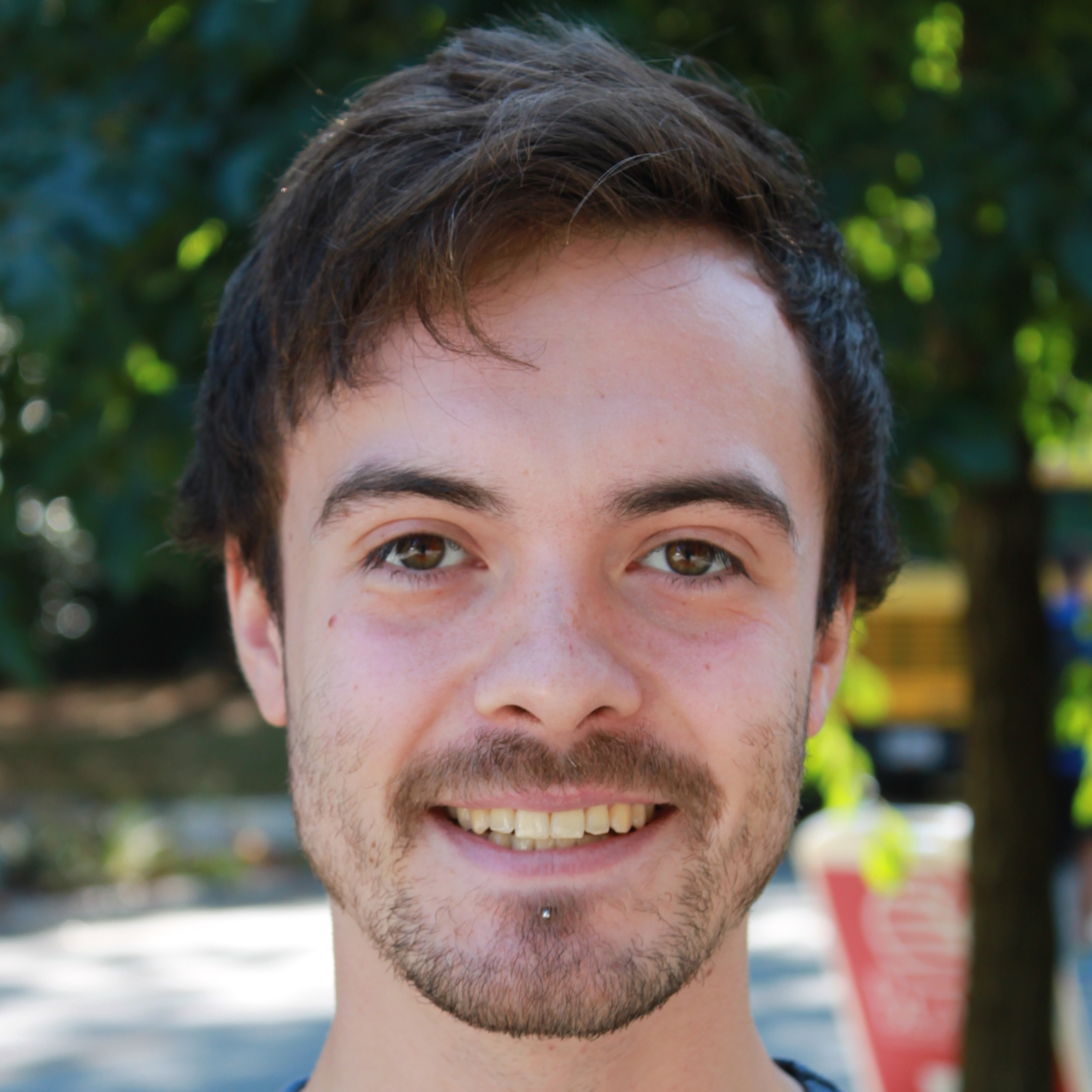
Dr. Alexander Morin, PhD |
| Senior Bioinformatics Analyst @ DNAstack | |
| Dr. Morin works with the Michael J. Fox Foundation (MJFF) to platform Parkinson's Disease data that has been generated by MJFF-funded researchers as part of an Open Science initiative. In this capacity, their bioinformatics team creates infrastructure to accept and curate data, develops standardized metadata schemas, and builds data processing pipelines to assist with meta-analysis efforts. |
|
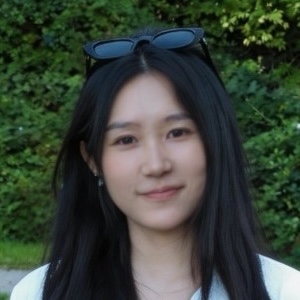
Cecilia Yang, MSc |
| Bioinformatics Software Engineer @ eDNA Explorer | |
| Cecilia Yang is a Bioinformatics aluminus that graduated with her MSc from the Birol Lab in 2023. She is currently working as a Bioinformatics Software Engineer at eDNA Explorer who specializes in building cloud-native workflows and optimizing genome reference databases. Utilizing tools like Dagster, Kubernetes, and GCP, she focuses on leading the full lifecycle of pipeline development to enhance biodiversity insights and scalable taxonomy assignment. |